
MetaCrash, also called Meta Crash, is a crypto-themed crash game from 100HP Gaming. A token climbs a multiplier chart until the round ends abruptly. Cash out before that point and the bet pays at the multiplier shown; miss it and the stake is lost. There are no reels or paylines. MetaCrash uses two separate betting panels, so two wagers can run in one round.

MetaCrash, also called Meta Crash, is a crypto-themed crash game from 100HP Gaming. A token climbs a multiplier chart until the round ends abruptly. Cash out before that point and the bet pays at the multiplier shown; miss it and the stake is lost. There are no reels or paylines. MetaCrash uses two separate betting panels, so two wagers can run in one round.
Most game directories give MetaCrash a 98% return to player (RTP), very high volatility and a top multiplier of 50,000x. Treat these as published specifications rather than a promise from every casino. The active game's rules are the deciding reference.
MetaCrash game details
| Developer | 100HP Gaming (100HP) |
|---|---|
| Game category | Crash game / instant casino game |
| Theme | Cryptocurrency, token trading, exchange-style charts and a rising market |
| Published RTP | 98% in major directories; some casino listings display 95% or 96%, so check the active version |
| Theoretical house edge | 2% if the version being played genuinely has 98% RTP |
| Volatility | Very high |
| Advertised top multiplier | 50,000x, subject to game rules and payout limits |
| Reported betting range | From 0.10 to 150 or 420 units in different directories; currency and limits are operator-specific |
| Controls | Manual cash-out, auto cash-out, auto bet and two betting panels |
| Platforms | HTML5 browser play on desktop and mobile; demo versions are listed |
Several directories date MetaCrash to 30 September 2024; at least one carries an earlier release date. Neither date establishes when every casino received the game.
How MetaCrash works
Before each round, a countdown leaves time to place a bet. Then the token moves up the chart as the multiplier rises from 1.00x. The crash can happen before a chosen cash-out target. A collected wager pays; an open wager at the crash loses. The chart resembles a trading screen, but actual cryptocurrency prices have nothing to do with the result.
- Set the stake. Enter an amount in one betting panel, or use both panels for two separate wagers on the same round.
- Choose the exit method. Keep manual cash-out available or set an automatic multiplier target before the round begins.
- Place the bet before the countdown ends. Late entries do not join a round already in progress.
- Watch the multiplier. The value rises until the predetermined crash point is reached.
- Settle the result. A successful cash-out returns the stake multiplied by the collected value; a bet still open at the crash returns nothing.
Suppose the stake is NZ$2. Cashing out at 2.50x returns NZ$5 in total: NZ$2 back plus NZ$3 profit. A crash before collection costs the NZ$2 stake. These amounts illustrate the maths, not a fixed NZD betting option; the casino sets its available currencies and denominations.
Two betting panels: what actually changes?
The dual-bet system gives each panel its own stake and cash-out setting. One could collect automatically at 1.50x while the other waits for 4.00x. Closing the first bet leaves the second running. This is a control choice, not two separate rounds.
Both panels use the same crash event. A round ending at 1.20x would wipe out both bets in that example. Splitting the stake between panels is not protection against an early crash, and the full amount at risk is the sum of both wagers.
Manual cash-out, auto cash-out and auto bet
With manual cash-out, the player chooses when to collect. Auto cash-out collects at a preset multiplier if the round reaches it; it cannot rescue a bet that crashes earlier. Auto bet places successive wagers under the selected settings. Some guides quote a 999x ceiling for auto cash-out, even though the advertised round ceiling is 50,000x. The game menu is the place to check which limits apply.
Repeated automatic rounds can add up quickly. The amount staked across a session matters more than the highest multiplier seen on screen.
Crypto coins, custom skins and the live interface
MetaCrash looks like a neon-lit crypto exchange. It borrows the language of HODL and cashing out, alongside token designs for Bitcoin (BTC), Ethereum (ETH), Tether (USDT), Dogecoin (DOGE), Solana (SOL) and Litecoin (LTC). These choices change the artwork, not the odds or the behaviour of real coins.
Listed customisation options include six unlockable skins, levels and extra visual effects. None of these cosmetic changes adjusts the crash multiplier. Choosing a Bitcoin-themed token also says nothing about whether the host casino accepts crypto deposits or withdrawals.
The interface may include a live bets feed, My Bets history, a Top leaderboard and in-game chat. Other players' stakes and cash-outs are visible, but their results cannot forecast yours. Operators sometimes attach promotional free bets or promo codes; those offers have their own conditions and are not the equivalent of slot free spins or a bonus buy.
RTP, volatility and the 50,000x maximum
A published 98% RTP implies a 2% theoretical house edge over a very large volume of stakes. It does not mean NZ$98 comes back from any particular NZ$100 session. Some casino listings give 96% instead. If the casino's game information says something different from a review, the version actually running matters more than the listing.
Very high volatility means the payouts are uneven. A 1.50x target will be reached more often than a 10x target, but each successful 10x cash-out pays more for the same stake. Neither choice makes the game profitable in expectation. Faster, smaller wins can also conceal the total lost on rounds that crashed first.
The stated maximum is 50,000x, not a prize that players should expect to see. The casino may have a maximum win in money terms, a stake ceiling or other restrictions. Check the cash payout cap as well as the multiplier; they answer different questions.
Provably fair checks, history & prediction myths
MetaCrash is described in game catalogues as provably fair. Where the game exposes verification data, a player can check a completed round against its hash commitment and released seed details. The precise steps may involve a server seed, client seed, nonce or salt; use the rules supplied by that build. Even a successful round verification says nothing about a casino's licence, withdrawals or account security.
A run of low multipliers can look like a pattern. It isn't a dependable forecast. Past rounds, live statistics and leaderboard results tell you what has happened, not what must come next. A run of ten early crashes does not make a 100x round due. Predictor software, signal groups and guaranteed cash-out systems have no reliable basis in that history.
A provably fair check tests a settled round against its commitment. It does not predict the next crash.
MetaCrash demo, mobile play & related games
A MetaCrash demo uses virtual credits, letting players see the two panels, try auto cash-out and inspect the history screen. It also reveals whether the chart fits comfortably on a phone. Demo credits have no cash value, and demo wins provide no basis for expecting the same outcome with a real stake.
The game is listed as an HTML5 browser title for desktop, Android and iOS devices. A reliable connection and readable controls matter more than the screen size alone. No separate application is essential to the browser version; app-download claims should be checked with the publisher.
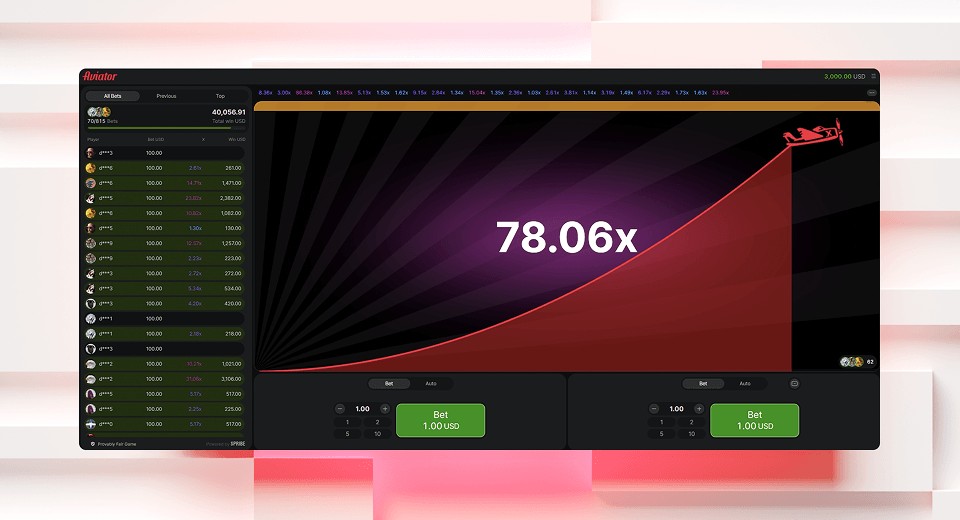
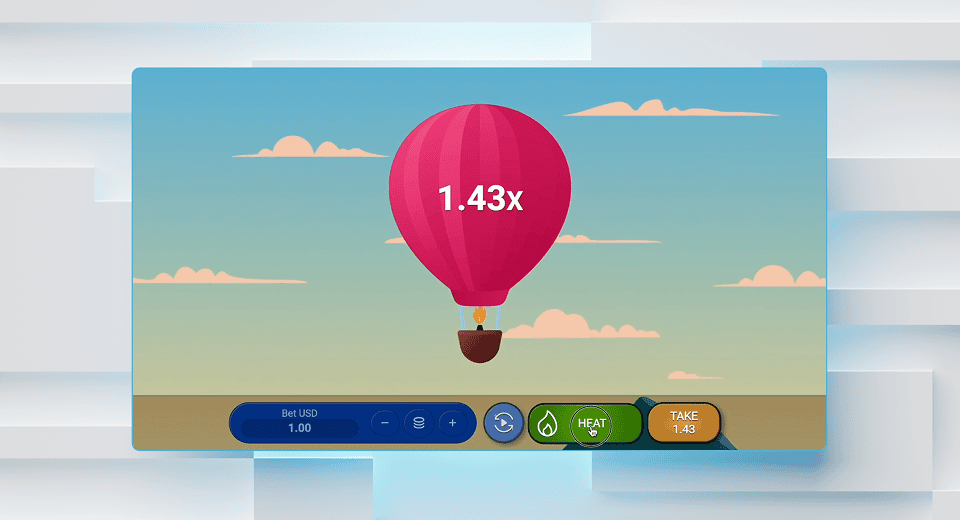
Like Bustabit and Aviator, MetaCrash uses a rising multiplier and a cash-out decision. Its crypto look, coin skins, second betting panel and social feed distinguish the interface. Crime Empire, Air Jet, Fortune Crash, StarX and Astronaut are other 100HP Gaming crash titles, though their settings need checking individually.
MetaCrash and online gambling in New Zealand
For a New Zealand player, finding MetaCrash in a casino catalogue is not proof that the casino may legally serve NZ customers. The operator's position under local rules must be checked separately from the game title.
As at 5 November 2026, the Online Casino Gambling Act 2026 is in force. The Department of Internal Affairs (DIA) is rolling out licensing. From 1 December 2026, providers without a qualifying licence application must stop offering online casino gambling in New Zealand; those with applications under assessment can continue under an exemption. The first licences are expected in 2027. The DIA's information for online casino customers explains the transition.
New Zealand's framework sets a minimum online casino age of 18. A real-money operator should be assessed on its NZ legal status, the in-game RTP, account currency, stake and win limits, identity requirements, withdrawals and harm-minimisation tools. A screen showing Bitcoin or USDT doesn't confirm crypto payments or a New Zealand licence.
Crash rounds move fast, and it is easy to lose track of repeated stakes. Chasing losses with a larger bet doesn't improve the odds. Money for rent, food or bills should stay out of gambling. Gambling Helpline Aotearoa offers free, confidential support on Gambling Helpline NZ (gamblinghelpline.co.nz) or by online help at gamblinghelpline.co.nz. Further support is available at Safer Gambling Aotearoa.




Leave a Reply