
Spaceman is Pragmatic Play's multiplayer crash game, released on 24 March 2022. An animated astronaut climbs through space as the multiplier rises from 1.00x. The flight can crash without warning. Cash out before it ends and the active stake pays at the accepted multiplier; leave it running and that stake loses. The unusual part is 50% Cashout, which lets players collect one half of a bet while the rest stays in the flight.

Spaceman is Pragmatic Play's multiplayer crash game, released on 24 March 2022. An animated astronaut climbs through space as the multiplier rises from 1.00x. The flight can crash without warning. Cash out before it ends and the active stake pays at the accepted multiplier; leave it running and that stake loses. The unusual part is 50% Cashout, which lets players collect one half of a bet while the rest stays in the flight.
In New Zealand, the published RTP needs checking against the specific game version: Pragmatic Play and several casino directories give different figures. Local online-casino licensing is also in transition. The 5,000x ceiling carries a separate payout limit, and automatic cashout should not be confused with repeat betting.
Spaceman game facts
| Feature | Detail |
|---|---|
| Developer | Pragmatic Play |
| Release date | 24 March 2022 |
| Game category | Multiplayer crash game; not a reel-based slot |
| Main mechanic | Rising multiplier with a predetermined random crash point |
| Maximum multiplier | 5,000x, subject to applicable payout caps |
| Signature feature | 50% Cashout and 50% Auto Cashout |
| Theoretical RTP | 95.50% in Pragmatic Play Game Help v1.7; 96.50% on several game listings |
| Stakes | Minimum, maximum and account currency depend on the operator and game configuration |
| Game modes | Real-money play where available; free demo on supported platforms |
| Devices | Desktop and mobile browser versions |
What kind of game is Spaceman?
Spaceman has no reels, paylines, wilds, scatters, free spins or progressive jackpot. Instead of matching symbols, players watch a single rising multiplier against a purple-and-blue space backdrop. Pragmatic Play launched it as its first crash-style game.
The flight is shared by everyone who joins a multiplayer round, but each player decides when to cash out. Two bets in the same round can therefore have different results. A leaderboard shows stakes and cashouts; chat and round statistics sit alongside the game. None of those panels changes the crash point.
The 50% Cashout option is what separates Spaceman from a basic all-or-nothing crash round: one stake, two possible exit points.
How to play Spaceman
- Wait for the betting window. The screen displays a countdown such as “Next Game In”. Stakes can be entered or adjusted before “Bets Closed”.
- Choose and confirm the amount. The bet panel shows the balance, stake and available limits. The game must accept the bet before the flight begins.
- Watch the multiplier launch. It starts at 1.00x and increases as the astronaut climbs. The crash point is already determined by the game system.
- Cash out before the crash. “Cashout” requests a payout on the entire active stake; “Cashout 50%” collects half and leaves half in play.
- Check the result. Once the flight stops, any stake still active is lost. The round result appears in the recent-results strip and the game history.
At 2.40x, a successful cashout on an NZ$10 bet returns NZ$24 including the stake, leaving NZ$14 profit. If the game crashes before the request succeeds, the NZ$10 is lost. A crash at 1.00x also wipes out stakes still in play.
A tap on Cashout is a request, not an instant guarantee. The game server has to accept it before the crash; a slow connection can matter. A preset Auto Cashout target is checked by the game system instead of relying on a last-second tap.
How the 50% Cashout feature works
With 50% Cashout, the game settles half of the original active stake at the first chosen multiplier. The other half keeps running until a later cashout or a crash. Splitting the bet changes the possible payouts. It does not change the chance of a crash.
On an NZ$10 bet, a 50% cashout at 2.00x works like this:
- NZ$5 is cashed out at 2.00x, producing NZ$10 in settled returns.
- The remaining NZ$5 stays in the round.
- If the round crashes before another cashout, the total return stays NZ$10: the original NZ$10 stake has been recovered, with no net gain.
- If the remaining NZ$5 is cashed out at 4.00x, it pays another NZ$20. The total return is NZ$30, or NZ$20 above the original stake.
Return includes the original stake; profit does not. Taking half an NZ$10 bet out at 1.50x returns NZ$7.50. If the other half crashes, the round ends NZ$2.50 down. A successful half-cashout at 2.00x recovers the full NZ$10 stake even if the remainder later loses. Crashing before 2.00x still means losing the original bet.
50% Auto Cashout sets that first exit point before the round starts. When both automatic cashout targets are active, the half-stake target must be below the full-cashout target. The remaining half pays at the second target only if the flight gets there.
RTP, house edge and the 5,000x limit
RTP (return to player) is the theoretical percentage of total wagers a game returns over a very large number of rounds. Subtract RTP from 100% to get the house edge. Neither percentage predicts a short session.
Pragmatic Play's Spaceman Game Help, version 1.7, gives a theoretical RTP of 95.50% (4.50% house edge). SlotCatalog, Casino Guru and AskGamblers list 96.50% (3.50% house edge). A directory listing cannot establish which configuration a casino actually serves.
At a theoretical 95.50% RTP, NZ$1,000 in accumulated stakes corresponds to NZ$955 returned and NZ$45 lost on average over the long run. At 96.50%, those numbers become NZ$965 and NZ$35. This is not a forecast for any individual player. Check the RTP inside the actual paid game's rules, plus its currency, bet range and payout limits. Demo settings may differ.
Spaceman's top multiplier is 5,000x. The official rules say a stake still active at that point pays automatically. A separate maximum-payout cap, expressed as the equivalent of €500,000, can restrict the amount won. The displayed limit in the live game matters more than multiplying a large stake by 5,000 and assuming the full sum is payable.
Auto Cashout is not Autoplay
Auto Cashout sets a multiplier for a bet already placed. Pragmatic Play's standard help lists targets from 1.01x to 4,999.99x. 50% Auto Cashout sets a target for half the stake. Neither protects a bet when the game crashes below its target.
Autoplay is different: it places repeat wagers in successive rounds. It appears in the international Spaceman documentation, but the controls available at a New Zealand-facing casino can differ from those shown in global reviews.
New Zealand's 2026 online-casino minimum standards require a separate deliberate action to start each round on a licensed platform. The rules prohibit an automatic next bet. They do not equate a preset cashout within an already-started round with the automatic start of another round.
Statistics, fairness and game history
The interface includes recent crash results, distribution charts, a leaderboard, chat and personal bet history. Pragmatic Play's game help describes statistics covering up to 500 earlier multipliers. Each round has a game ID, useful for tracing a missing payment, a rejected wager or a disputed result.
The system determines the random crash point before the multiplier starts climbing. Yesterday's pattern, the last ten flights or the biggest cashout on the leaderboard cannot tell players where the next flight will end. A streak of low multipliers does not make a high one due.
Claims of provably fair play need a specific definition. Pragmatic Play used that term in its 2022 launch announcement, yet the July 2024 change log for Game Help v1.7 says the provably-fair description was removed from the statistics section. Random-number generation, independent game testing and a cryptographic tool that lets players verify each round are different things. Any verification claim needs to match the controls or disclosures offered with the game.
Spaceman demo and mobile play
A Spaceman demo uses virtual credits, not cash that can be withdrawn. It shows how the pre-round countdown works, where to find the history and what happens when a player chooses full or half cashout. A demo cannot validate a winning system or duplicate the experience of risking money.
Spaceman runs in desktop and mobile browsers. On a phone, the multiplier, stake controls and cashout buttons share a smaller screen, and statistics or chat may sit behind menus. A desktop gives those panels more room. A separate app is not essential to the browser game; the operator decides whether to offer the game or its demo.
The NZ minimum standards call for a clear disclosure when a free game's odds or RTP differ from an equivalent paid game. A demo's advertised RTP, stake range and interface should not be treated as proof of the paid version's settings.
Can a Spaceman strategy improve the odds?
An early cashout target produces smaller winning payouts when reached; a high target pays more but is reached less often. Either choice loses when the round crashes first. Partial cashout creates a third outcome: some money is already settled while the remaining half keeps riding. None of these choices alters the preselected crash point.
No cashout target beats the house edge. A Martingale plan, where the next stake increases after a loss, changes the amount at risk rather than the chance of success. The gambler's fallacy is just as unhelpful: low recent multipliers do not make the next one high. Spaceman predictors, signal bots and pattern charts cannot reliably reveal the next crash.
A stake cap, a spending limit and a time limit can control exposure, not expected returns. Spaceman is a game of chance rather than skill. Even a precisely timed exit cannot guarantee profit.
Spaceman in New Zealand: access & regulation
As at 4 November 2026, New Zealand's Online Casino Gambling Act 2026 is in force, while the licensing scheme is still being introduced. The Department of Internal Affairs (DIA) expects licences to start being issued in early 2027. Operators already serving New Zealand before 1 May 2026 may continue through the initial transition until 1 December 2026, subject to its conditions. Online-casino advertising to New Zealand customers is prohibited during that stage.
An overseas gambling licence is not a New Zealand licence, and a game catalogue cannot confirm local authorisation. The DIA expects to publish a register when NZ licences have been granted. Spaceman's availability, support for NZD, active RTP and cashout options have to be checked against the individual operator's real-money game.
Under the new framework, licensed operators must verify that customers are at least 18. Safeguards include account limits, breaks, self-exclusion, support and accessible RTP information. The minimum standards also cover the display of a customer's net position and access to game rules.
Independent support is available from Gambling Helpline New Zealand at Gambling Helpline NZ (gamblinghelpline.co.nz) or by text on 8006.
Spaceman compared with other crash games
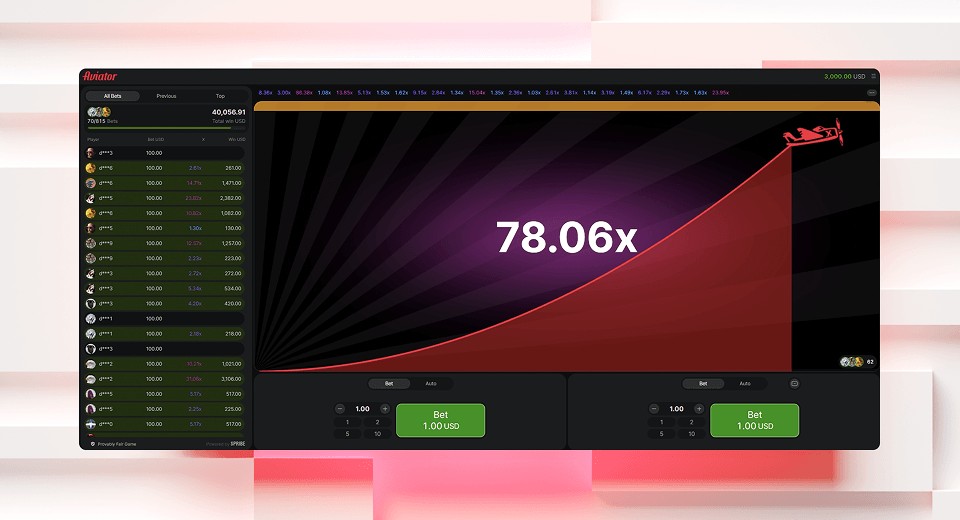
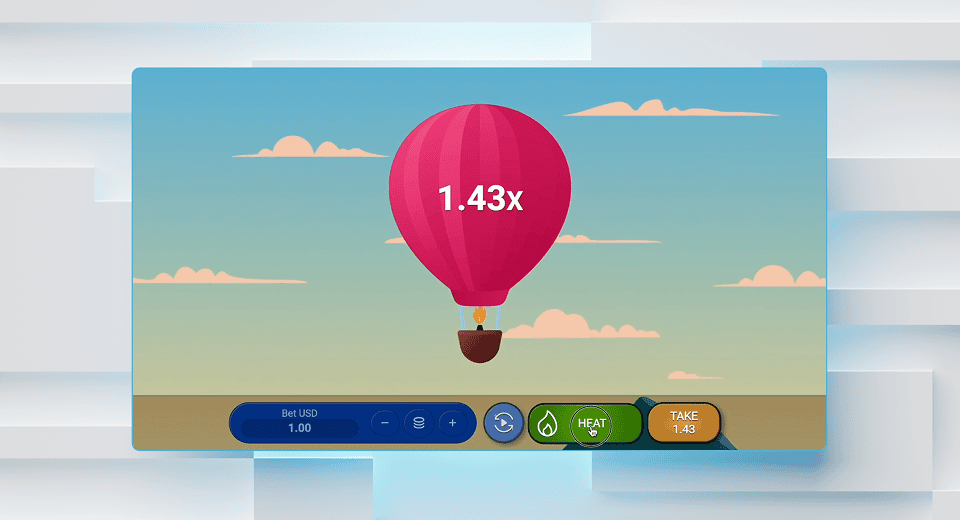
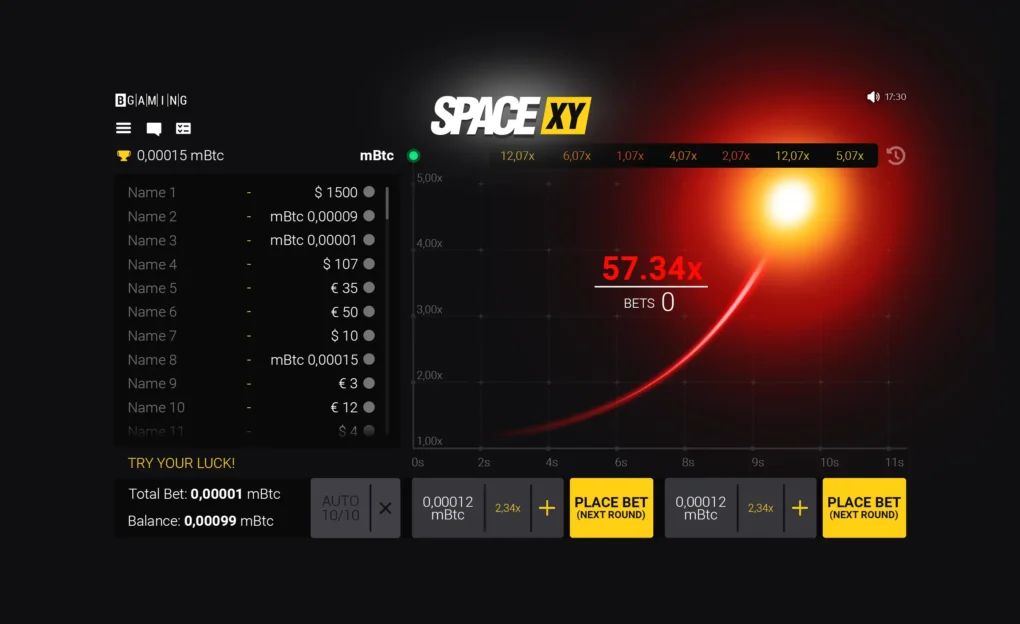
Aviator by SPRIBE and JetX by SmartSoft Gaming also revolve around a rising multiplier and a random crash. Spaceman's documented variation is its 50% Cashout, which allows an earlier payout on half the stake. The astronaut animation, chat, leaderboard and statistics change the presentation, not the probability of a win.
The maximum multiplier tells only part of the story. The RTP and its version, payout cap, stake limits, controls and New Zealand availability are better checks. The same headline game can have operator-specific conditions.



Leave a Reply